<Back to news
2 Nov 2026
Building Strong Bodies, Confident Minds and Kinder Kids
November at The Little Gym:
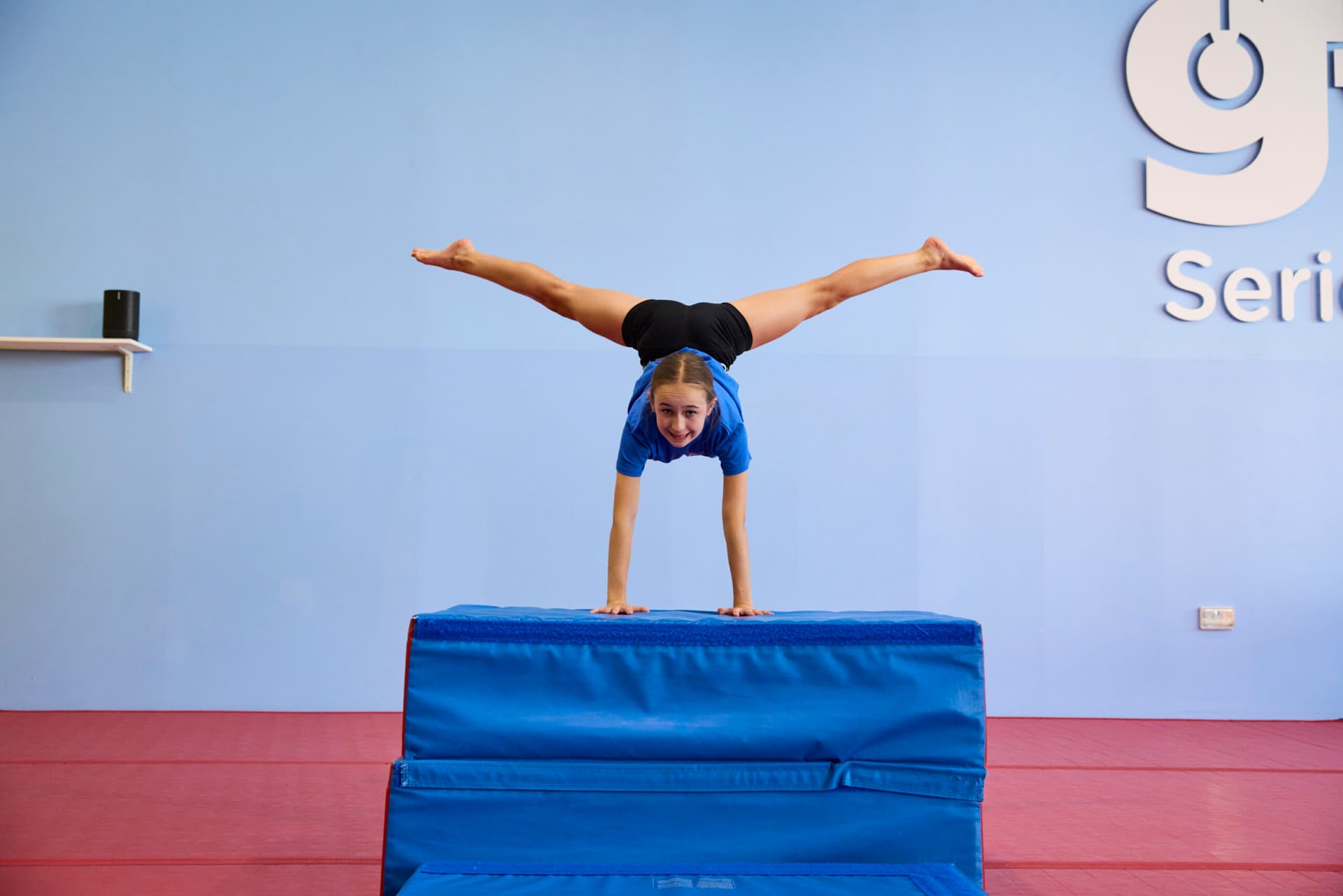
Zooming in on balance and core strength and what it means to be a ‘Citizen Kid’!
When we think about gymnastics, we often picture handstands, forward rolls and little ones confidently swinging across the bars. But some of the most important developments happen long before a child masters their next big skill.
From learning to balance on one foot to waiting patiently for a turn, early childhood movement experiences can support far more than physical development. They give children opportunities to develop body awareness, practise self-control, build confidence and learn how to interact positively with others.
This November, our focus at The Little Gym Wandsworth, Chiswick & Wimbledon is BEAMing with Gratitude. Through our gymnastics curriculum, we’re exploring the importance of balance, stability and body control, alongside the social and emotional skills that help children become confident, considerate little individuals.
So, what exactly is happening when your child climbs, balances, tumbles and plays? And why are these seemingly simple activities so important for their development?
Finding Their Balance: More Than Just Staying on Their Feet
Balance is one of the foundations of physical development. It helps children maintain control of their bodies, coordinate their movements and navigate the world around them.
But balance isn’t something children simply master overnight. It develops gradually through movement, repetition and opportunities to explore different positions and challenges.
When a child walks along a balance beam, steps over an obstacle or stands on one foot, their body is constantly making small adjustments to keep them stable. These activities challenge their coordination, body awareness and ability to control their movements.
Why does balance matter?
Developing balance helps children build the physical foundations they need for everyday activities, from walking up stairs and navigating playground equipment to running, jumping and participating in sports.
It also gives them opportunities to practise persistence. A child might wobble, step off a beam and try again. With encouragement, they begin to understand that making mistakes is part of learning.
At The Little Gym, we celebrate the effort behind every achievement. Whether a child manages a new balance for the first time or simply feels brave enough to try, each experience provides an opportunity to develop confidence in their own abilities.
Did you know?
According to the NHS, children aged three to four should spend at least 180 minutes (three hours) being physically active throughout the day, including at least 60 minutes of moderate-to-vigorous activity. This includes a variety of movement experiences, rather than one continuous exercise session.
Active play provides valuable opportunities for children to practise fundamental movement skills, including balance, coordination and control.
At The Little Gym, we make these opportunities fun, engaging and appropriate to each child’s stage of development.
Core Strength: The Foundation for Movement and Stability
Core strength is another important part of early physical development.
The core muscles around the trunk and pelvis help support the body, maintain posture and provide stability during movement. Children use these muscles when sitting upright, crawling, climbing, balancing and changing direction.
As children develop, improving their ability to control their bodies helps them attempt increasingly complex movements.
What does core strength look like in a gymnastics class?
It isn’t just about holding a plank or performing a sit-up!
For young children, core strength can be challenged through everyday gymnastics activities, such as:
- Crawling through tunnels and navigating obstacle courses.
- Climbing safely over soft equipment.
- Rolling, rocking and changing body positions.
- Balancing on different parts of the body.
- Supporting themselves while moving across equipment.
These activities encourage children to engage different muscle groups while learning to coordinate their movements.
Importantly, physical development isn’t identical for every child. Some children may confidently climb but find balancing more challenging, while others may need additional time to develop the strength and coordination required for particular activities.
That’s why opportunities to practise in a supportive environment matter.
The goal isn’t for every child to achieve the same skill at the same time. It’s to help every child make progress from their own starting point.
Through our progressive gymnastics activities, children can explore movement, strengthen their bodies and develop confidence at a pace that feels right for them.
From Physical Balance to Emotional Balance
Here’s where physical development becomes particularly interesting.
Gymnastics doesn’t only ask children to control their bodies. It also gives them opportunities to practise listening, concentrating, following instructions and adapting when something doesn’t go to plan.
Imagine a child navigating an obstacle course. They need to listen to the instructor, remember what comes next, judge where to place their feet and adjust their movements if they lose their balance. They may also need to wait for another child to finish before taking their turn.
These experiences involve skills associated with executive function and self-regulation.
Executive function describes a collection of mental skills that help us focus our attention, remember information, control impulses and adapt our behaviour to different situations.
According to Harvard University’s Center on the Developing Child, these skills develop over time through practice and supportive interactions with adults. Children between the ages of three and five make particularly important progress in using these abilities.
How can gymnastics help?
During a class, children may practise:
- Listening: Paying attention to instructions before beginning an activity.
- Remembering: Recalling the steps in a movement sequence.
- Self-regulation: Waiting for a turn rather than rushing ahead.
- Adaptability: Trying a different approach when a movement feels difficult.
- Persistence: Having another go after an unsuccessful attempt.
These skills are still developing throughout early childhood, so children will naturally need reminders, encouragement and support.
Our instructors help create opportunities to practise these behaviours through structured activities, positive reinforcement and age-appropriate challenges.
Over time, experiences like these can help children build skills that are useful not only in the gym, but also at nursery, school and home.
Citizen Kid: Learning to Be a Good Friend, Teammate and Little Human
At The Little Gym, development isn’t measured solely by how high a child can jump or how confidently they can perform a forward roll. It’s also about the kind of person they’re becoming.
Our Citizen Kid dimension focuses on the social and emotional skills children need to participate positively in a group, develop relationships and become considerate members of their community. These abilities begin developing early, and everyday interactions provide valuable opportunities for children to practise them.
What does Citizen Kid look like in action?
It might look like a child cheering when their friend completes a new skill. It might be a toddler learning to wait while another child has a turn, or a preschooler helping a classmate navigate an activity.
Sometimes, it looks much less straightforward. A child might become frustrated when they have to wait, feel disappointed when a friend gets something first or need help understanding how to join a group activity. These moments are also part of learning.
With guidance from supportive adults, children can begin to understand their feelings, recognise the needs of others and explore more positive ways to respond. At The Little Gym, we encourage these behaviours through group activities, shared games and opportunities to celebrate one another’s achievements.
Why are these skills so important?
Research into early childhood development highlights the importance of self-regulation and social interaction in helping children navigate learning and relationships.
Harvard’s Center on the Developing Child explains that children develop executive function skills through meaningful activities and supportive interactions. These skills help them manage attention, control impulses and adapt their behaviour to different situations.
In a gymnastics class, that might mean learning to listen when someone else is speaking, following a shared rule or managing the excitement of waiting for a favourite activity.
These are small moments, but they offer children opportunities to practise important life skills.
We want children to leave our gym feeling proud of what they can do, but also learning how to encourage others, work together and treat people with kindness.
Because being a good gymnast is wonderful. Being a good friend is just as important.
Why Gratitude Matters in Early Childhood
This November, our monthly focus is BEAMing with Gratitude.
Gratitude might seem like a big concept for little ones, but its foundations can be introduced through simple, everyday experiences.
For young children, this doesn’t necessarily mean understanding the abstract idea of gratitude. Instead, it can start with noticing positive experiences, recognising other people’s efforts and learning simple ways to express appreciation. For example, an instructor might encourage a child to clap for a friend who has tried something new, thank someone for helping them or recognise when another child has been kind. These interactions help make kindness something children can experience and practise, rather than simply something adults tell them to do.
Small moments, meaningful lessons
Imagine a child who is nervous about trying a new activity. Their classmates cheer them on, their instructor offers encouragement and they eventually decide to give it a go.
The achievement itself matters, but so does the experience of receiving support. Likewise, when children are encouraged to celebrate another person’s success, they have an opportunity to experience the joy of being part of a supportive group.
This is where gratitude and Citizen Kid come together. Through positive interactions, children can begin to appreciate the people around them, recognise acts of kindness and understand that everyone has something valuable to contribute.
And importantly, these lessons don’t require children to get everything right.
Learning to share, cooperate and manage disappointment takes time. Our role is to provide an encouraging environment where children can practise these skills and receive support as they develop.
Growing Together, One Little Achievement at a Time
At The Little Gym Wandsworth, Chiswick & Wimbledon, we believe childhood is about discovering what’s possible.
It’s about developing the strength to climb, the balance to try something new, the confidence to keep going and the kindness to encourage someone else along the way.
This November, our BEAMing with Gratitude focus brings these elements together, reminding us that physical development and personal growth are both important parts of a child’s journey.
From strengthening their core to learning to take turns, every activity provides another opportunity to practise a skill that matters.
And while a new gymnastics achievement might be the moment parents remember most, the quieter milestones matter too: the child who finally joins in, the friend who offers encouragement or the little one who learns to wait patiently for their turn.
Because at The Little Gym, we’re not just helping children build stronger bodies. We’re helping them develop the confidence, consideration and life skills to grow into capable, caring individuals.
Ready to get moving?
Join us at The Little Gym Wandsworth, Chiswick & Wimbledon and discover how our unique approach combines movement, learning and social development to help little ones thrive.
One hour of fun. A whole lot of growing.
References
NHS (2023) Physical activity guidelines for children (under 5 years). Available at: NHS physical activity guidelines (Accessed: 15 October 2026).
Center on the Developing Child at Harvard University (2014) Enhancing and Practicing Executive Function Skills with Children from Infancy to Adolescence. Available at: Harvard’s executive function activities guide (Accessed: 15 October 2026).
Center on the Developing Child at Harvard University (2022) Brain-Building Through Play: Activities for Infants, Toddlers, and Children. Available at: Harvard’s brain-building through play resource (Accessed: 15 October 2026).